






What Is a Push in Pai Gow and What Happens to Your Bet?
A push in Pai Gow commonly occurs when you win one of the two required hand comparisons and lose the other. Your main wager is normally returned instead of being paid as a win or collected as a loss. A push produces no profit, and its exact settlement remains subject to the rules displayed by the selected game.
Table of Contents
➤ The Meaning of a Pai Gow Push
➤ How Both Hands Determine the Result
➤ Pushes, Ties, and Fouled Hands
➤ Examples of Pai Gow Settlements
➤ What Happens to Your Wager
➤ Responsible Pai Gow Play
➤ Common Questions About Pushes
What Does a Push Mean in Pai Gow?
A push is a neutral settlement of the main Pai Gow wager. The player does not receive a winning payout, but the accepted main stake is normally returned.
A complete answer to what is a Push Pai Gow must distinguish a returned stake from a winning payout.
The basic pattern is: Win one hand + lose one hand = push
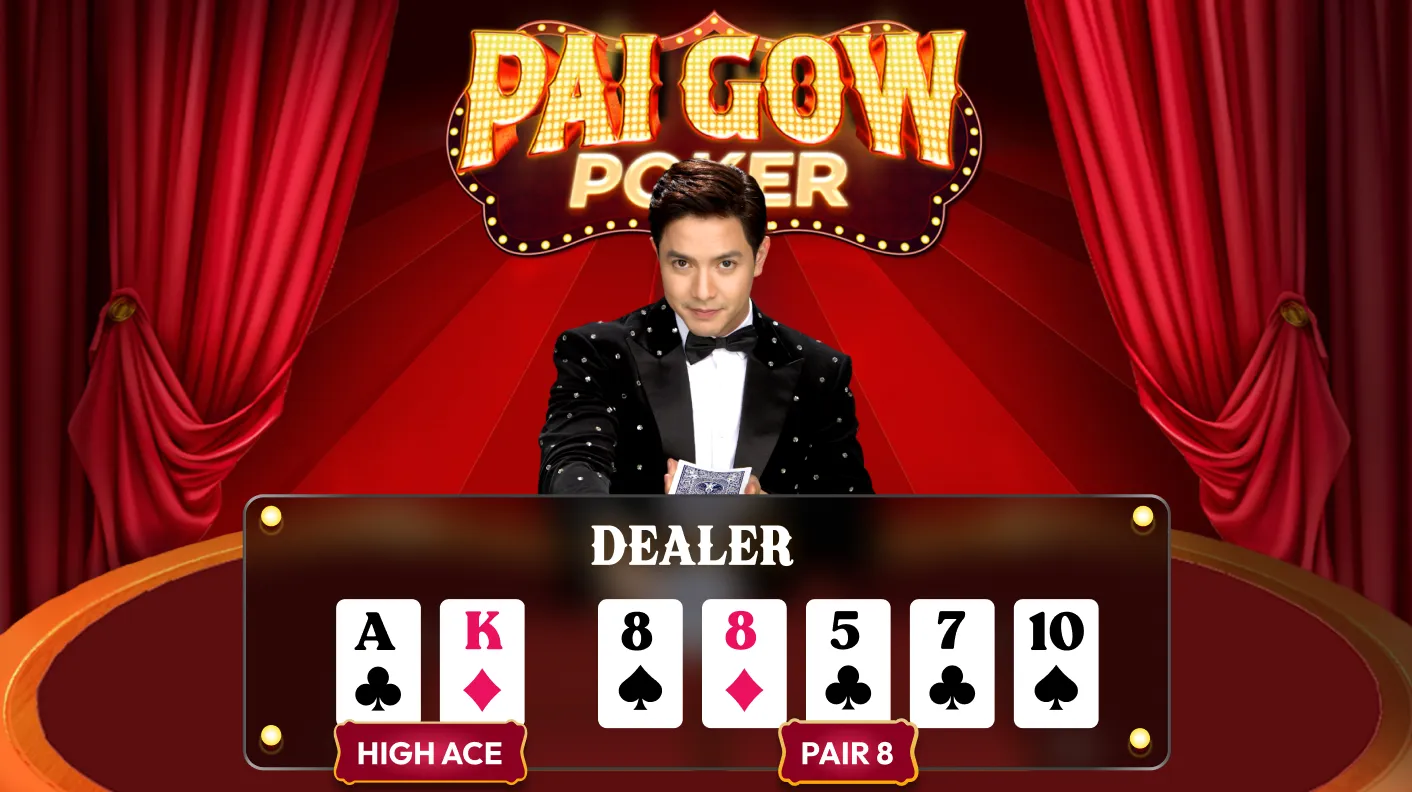
Pai Gow can produce a push because the round contains two separate hand comparisons. You and the dealer each have a five-card high hand and a two-card low hand. Winning only one of those comparisons is generally insufficient to win the complete main wager.
For example, your five-card hand may beat the dealer's corresponding hand while your two-card hand loses. Each side has won one comparison, so the main wager normally pushes.
A push therefore describes the final settlement of the complete main wager. It does not mean the two sides necessarily received identical cards, and it should not be confused with an individual tied hand.
How Do Both Pai Gow Hands Determine the Result?
The player receives seven cards and divides them into two hands:
➣ A five-card high or back hand
➣ A two-card low or front hand
The five-card hand must rank higher than the two-card hand for the arrangement to be valid. Once the cards are confirmed, each player hand is compared only with the matching dealer hand.
Understanding both comparisons provides the essential context behind what is a Push Pai Gow.
The settlement process normally follows this order:
➢ Compare the player's five-card hand with the dealer's five-card hand.
➢ Compare the player's two-card hand with the dealer's two-card hand.
➢ Apply the displayed rule to any equal-ranking hands.
➢ Combine both comparison results.
➢ Settle the main wager as a win, push, loss, or other applicable result.
The two hand values are not added together. A powerful five-card hand cannot compensate for losing the two-card comparison because the game evaluates each hand independently.
The answer to what is a Push Pai Gow becomes clearer once both hand results are considered together.
The combined results generally work as follows:
➣ Player wins both comparisons: The main wager normally wins.
➣ Player wins one and loses one: The main wager normally pushes.
➣ Player loses both comparisons: The main wager normally loses.
➣ One or both hands tie: The table applies its tie or copy-hand rule.
➣ The cards are arranged incorrectly: The hand may be declared fouled.
This two-hand structure is the main reason a round can finish without a main-wager win or loss.
How Do Pushes Differ From Ties and Fouled Hands?
A push, tie, and foul describe different parts of a Pai Gow result. Treating them as interchangeable can lead to an incorrect settlement calculation.
Readers researching what is a Push Pai Gow should not treat a push, tie, and foul as interchangeable outcomes.
A push is the final neutral result of the main wager. It commonly follows a valid split result in which the player wins one hand comparison and loses the other.
A tie occurs when a player hand and the corresponding dealer hand have equal rank. It describes one comparison rather than the complete round.
Many Pai Gow Poker versions refer to an equal-ranking result as a copy hand and award that comparison to the dealer or banker. The selected Casino Plus game’s rules must be checked because tie treatment affects how the complete round settles.
For example, suppose the player wins the two-card comparison but ties the dealer in the five-card comparison. If the dealer receives the tied comparison, each side effectively wins one hand and the main wager may push.
The outcome can change when both hands tie. If the table awards equal-ranking hands to the dealer, both comparisons may be recorded for the dealer and the main wager may lose rather than push. Two visible ties, therefore, do not automatically mean that the stake will be returned.
A fouled hand is different from both a tie and a push. A foul occurs when the cards are arranged contrary to the game’s requirements, such as when the two-card hand outranks the five-card hand.
The distinctions are:
❖ Push: A valid round produces a neutral main-wager settlement.
❖ Tie: One corresponding player and dealer hand has equal rank.
❖ Foul: The player's hand arrangement violates a rule.
❖ Win: The player satisfies the required winning comparisons.
❖ Loss: The dealer wins the required comparisons under the applicable rules.
A foul should not be described as a push simply because the player did not receive a normal winning payout. Its settlement follows the foul-hand rule displayed by the selected game.
Which Examples Explain Pai Gow Settlements?
These simplified examples show how the two comparisons can produce different final results. They illustrate the settlement structure without replacing the current in-game rules.
These examples make What is a Push Pai Gow easier to understand without replacing the selected game's rules.
❋ The player wins the high hand but loses the low hand. Each side wins one comparison, so the main wager normally pushes.
❋ The player loses the high hand but wins the low hand. This is also a split result and normally creates a push.
❋ The player wins both corresponding hands. The main wager normally qualifies as a win. The current paytable determines the applicable settlement.
❋ The dealer wins both corresponding hands. The player’s main wager normally loses.
❋ The high hands tie while the player wins the low hand. The final result depends on the copy-hand rule. If the tied comparison goes to the dealer, the round may push.
❋ Both corresponding hands have equal rank. The round is not automatically a push. If the dealer receives both copy hands, the main wager may lose.
❋ The two-card hand outranks the five-card hand. The arrangement may be declared fouled or invalid rather than settled as a push.
The examples also show why looking only at the strongest cards is insufficient. The player must check both corresponding comparisons and the rule applied to equal ranks.
What Happens to Your Wager After a Push?
The main stake is normally returned when a Pai Gow round pushes. That returned amount restores money already committed to the round; it does not represent a winning profit.
From a settlement perspective, what is a Push Pai Gow also concerns whether the credited amount represents a return or profit.
Consider this basic example:
▪ Main stake: ₱200
▪ Amount returned after the push: ₱200
▪ Net result on the main wager: ₱0
The calculation is: Net result = total amount credited − total amount wagered
Several terms must be kept separate:
▫ Stake: The amount accepted before the round closes
▫ Payout rate: The value applied to a qualifying win
▫ Returned stake: The original amount restored after a neutral result
▫ Credited return: The complete amount added during settlement
▫ Net result: The difference between everything credited and everything wagered
A player may see ₱200 added to the balance after a ₱200 push. That balance movement does not mean the player won ₱200. It returns the amount that was previously committed.
A push on the main wager also does not automatically determine the result of every other betting position. If the selected game offers an optional wager and the player has accepted it, that wager may have separate qualifying conditions and a separate paytable.
Players should check:
❋ The amount assigned to the main wager
❋ Whether another wager was accepted
❋ The result recorded for each position
❋ The credit assigned to each wager
❋ The complete amount committed during the round
Do not assume that every wager is returned simply because the main Pai Gow result is a push. Likewise, Baccarat Deluxe uses a different card-comparison structure, so its tie and settlement rules should not be applied to Pai Gow.
How Should Eligible Players Approach Pai Gow Pushes?
Casino Plus real-money games are only for eligible players aged 21 or older who satisfy the platform's account and verification requirements.
Responsible guidance about what is a Push Pai Gow must clarify that a neutral result does not predict the next deal.
A push preserves the main stake for that round, but it does not create a profit or improve the chance of winning the next deal. Each round remains independent.
Frequent pushes should not encourage a player to:
❖ Increase the next stake
❖ Add unnecessary wagers
❖ Continue beyond a preset time limit
❖ Treat returned stakes as new income
❖ Chase earlier losses
Before playing, establish a complete entertainment budget, maximum amount per round, and stopping time. No hand arrangement or sequence of previous results can guarantee a win or push.
What Do Players Ask About Pai Gow Pushes?
The following answers address the most common concerns associated with what is a Push Pai Gow.
Q: What is a push in Pai Gow?
A: A push is a neutral main-wager settlement that commonly occurs when the player wins one corresponding hand comparison and loses the other.
Q: Do I lose my main stake after a push?
A: Normally, no. The main stake is returned according to the rules of the selected game.
Q: Does a push pay any profit?
A: No. When the original stake is simply returned, the net result on that main wager is zero.
Q: Is a push the same as a tied hand?
A: No. A tie refers to one equal-ranking hand comparison. A push describes the final settlement of the complete main wager.
Q: What happens if I win the five-card hand but lose the two-card hand?
A: That split result normally produces a push, provided the cards were arranged correctly and the displayed rules do not specify another treatment.
Q: What happens when one hand ties the dealer?
A: The table applies its tie or copy-hand rule. On the other hand comparison must also be resolved before the main wager can be settled.
Q: Do two tied hands always create a push?
A: No. If the table awards equal-ranking hands to the dealer or banker, both comparisons may be recorded against the player.
Q: Is a fouled hand considered a push?
A: No. A foul is an invalid arrangement and follows the selected game's foul-hand settlement rule.
Q: Does a push return every optional wager?
A: Not automatically. Any separately accepted wager follows its own conditions and paytable.
Q: Where can I verify that my round pushed?
A: Review both hand comparisons, the tie rule, final result label, credited amount, and Casino Plus transaction record.
Q: Can previous pushes predict the next round?
A: No. Each deal is independent, and earlier settlements cannot determine the next result.
Keywords
What is a Push Pai Gow